Cassandra Nieman -- Specialists can recommend a therapy, yet patients can still find themselves facing delays, denials, appeals, and uncertainty
BC is so far behind, and makes up their own rules about treatments they know nothing about

RE: Lauren Paulsen is being failed by the government -- MLA Anna Kindy Calls for Action for British Columbians with Rare Diseases
Lauren’s story matters and it’s yet another to add to the list of people fighting for their lives and independence.
I was lucky enough to be invited as a patient panelist at the MedAccessBC 2026 forum, and it was beyond heart breaking to see the barriers faced by so many. 32 medications restricted in BC are available in every other province ... that doesn’t make sense.
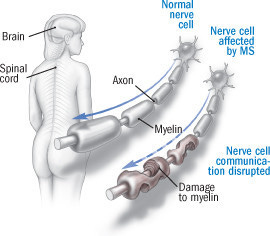
While Multiple Sclerosis is not considered a rare disease, the struggle to access life-changing treatment in British Columbia is something I know all too well – I live with it.
My vision had been affected permanently after relentless attacks to my optic nerves. I was facing blindness and still have slow gradual progression due to previous damage; brain lesions, optic nerve scarring and damage, and all the other things that come with MS.
The medication I have been on for almost a decade has helped preserve my vision, slow disease progression, and maintain my quality of life. Yet since changes to my insurance coverage last fall, I have been in a constant fight with the Ministry and Pharmacare to try and maintain access to the treatment that saved my sight, treatment that EVERY other province has coverage for … except BC.
What many people don’t realize is that patients are forced to navigate a system where decisions about access to lifesaving / life-altering treatments are made by committees and review processes far removed from the realities of living with these diseases. Specialists who dedicate their careers to treating complex conditions can recommend a therapy, yet patients can still find themselves facing delays, denials, appeals, and uncertainty.
In some cases, treatments available to patients in every other Canadian province remain inaccessible, or subject to additional barriers, here in British Columbia.
The result is that patients spend months … sometimes years … fighting paperwork and bureaucracy. Meanwhile their diseases continue to progress, and denials are still eminent, because BC is so far behind and makes up their own rules about treatments they know nothing about.
No patient should have to wonder whether they will lose access to a medication that is working.
No patient should have to spend their energy battling administrative systems instead of focusing on their health.
And no patient should face irreversible disability because access to treatment was made by a government and not their medical team.
Lauren’s story is not an isolated case. It is a reminder that patients across British Columbia whether living with rare diseases, Multiple Sclerosis, or other chronic conditions are too often forced to become advocates simply to access medically necessary care.
The healthcare system should trust the expertise of treating physicians, prioritize continuity of care, and put patients before bureaucracy.
Because when treatment is delayed, denied, or interrupted, the consequences are not felt by committees or government departments.
They are felt by patients and families every single day.